
Houses for Sale in Toronto
Find houses for sale in Toronto with expert tips on prices, neighbourhoods, and smart first-time buyer decisions. Trying to buy in Toronto can feel exciting at first, then confusing very quickly. Once you start looking at houses for sale in Toronto, the real questions show up fast. Which areas feel safe day to day? How far is the commute? Will the monthly cost still feel comfortable after closing? This guide is built to help you compare homes with a clearer head and a more practical plan.

2-bed Condominium Apartment · 28 Ted Rogers Way


5-bed Detached House · 135 Buckingham Ave

2-bed Condominium Apartment · 830 Lawrence Ave
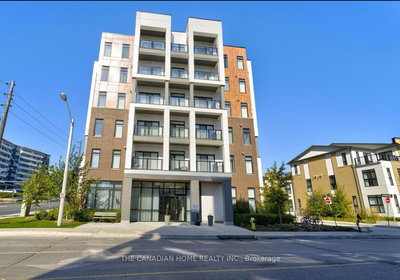
2-bed Condominium, Common Element · 160 Canon Jackson Dr
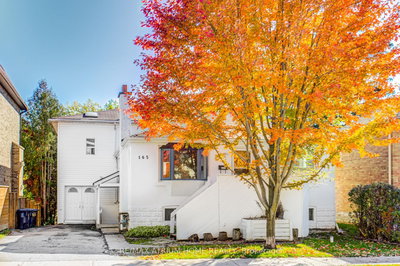
5-bed Detached House · 165 Florence Ave

3-bed Condominium Apartment · 1928 lakeshore Blvd

3-bed Condominium Apartment · 18 Maitland Terr

4-bed Townhouse, Condo · 60 George Butchart Dr

4-bed Townhouse, Condo · 60 George Butchart Dr

3-bed Condominium Apartment · 35 Bastion St

3-bed Condominium Apartment · 15 Ellerslie Ave

6-bed Detached House · 111 Pleasant Ave
Browse by property type in Toronto
Browse neighbourhoods in Toronto

Executive Summary
Buying well in Toronto usually means looking past the listing photo and asking better questions early. This guide explains how to assess houses for sale in Toronto through the lens of real affordability, neighbourhood fit, property type, and day-to-day practicality. You will see what different budgets can realistically buy, which areas may offer better value, what first-time buyers should watch for, and how to compare homes in a way that leads to a more confident decision.
Toronto Housing Market Overview: What Buyers Should Know in 2026
By 2026, Toronto will feel a little less rushed than it did at the peak, which gives buyers more space to think. In March 2026, the average GTA home sold price was $1,017,796, while detached houses averaged about $1.34 million. That softening helps, but it does not make every option easy. Once you start looking at houses for sale in Toronto, the gap between budget and expectation still becomes clear very quickly.
Area choice matters just as much as price. North York often appeals to buyers who want convenience and transit access, Etobicoke tends to attract those looking for a more residential west-end feel, and Scarborough often enters the shortlist when buyers want more space for the money. The smarter approach is to compare homes by both area and monthly cost, not just by whichever listing looks best at first glance.

Toronto House Prices: What Different Budgets Really Buy
Price matters, but in Toronto, it only becomes useful when it is tied to real buying power. Buyers who begin with houses for sale in Toronto often discover that the same budget can lead to very different outcomes depending on area, lot size, condition, and home type. In lower price ranges, the search usually leans toward smaller houses, older properties, or homes farther from the city core. As the budget rises, buyers may see more townhouses, some semi-detached options, and better layouts in stronger neighbourhoods. That is why a number on its own rarely tells the full story.
A smarter way to read the market is to ask what each price band actually buys in terms of space and trade-offs. One home may offer a better location, but it needs updates soon. Another may feel move-in ready but come with a longer commute or less outdoor space. For first-time buyers, the goal is not just to find appealing homes. It is to match the purchase to monthly comfort, daily routine, and long-term flexibility. That approach usually leads to a better shortlist and fewer costly surprises later.
Affordable Houses for Sale in Toronto: Where Buyers Still Find Value
Affordable does not always look the way people expect in Toronto. After a few days of browsing houses for sale in Toronto, many buyers notice the same pattern. The homes that seem perfect on day one are often the ones that stretch the budget fastest. The better value is usually quieter than that. It may be a smaller house, an older place with good bones, or a home in an area that feels practical rather than flashy.
Sometimes the Better Option Needs a Little Work
A house does not have to be fully updated to make sense. In fact, some buyers do better with a place that needs simple improvements instead of one with a polished finish and a premium price. New floors and bright photos can be appealing, but good structure and a workable layout often matter more once real life starts.
Value Often Comes from the Area and the Math
The strongest deal is not always the cheapest one on the page. A home in Scarborough may offer more space for the money, while parts of Etobicoke or North York may appeal to buyers who care more about commute or daily convenience. The real goal is to find homes that stay comfortable month after month, not just houses that look affordable on listing day.

Houses for Sale in Toronto Under $1 Million: Where Value Still Exists
For many buyers, the one-million mark still feels like the point where a Toronto purchase becomes more realistic. Even so, the market under that line usually rewards clear priorities more than wishful thinking. In March 2026, the average GTA detached house sold for about $1.34 million, the average semi for about $1.01 million, and the average freehold townhouse for about $931,740. That helps explain why buyers searching houses for sale in Toronto under $1 million often end up focusing on freehold townhouses, smaller semis, or older detached homes in select pockets rather than expecting a polished detached house in every area.
Where value still shows up is usually in the trade-off between location and condition. Parts of Scarborough may offer more interior space for the money, while some buyers look to selected pockets of North York or Etobicoke when commute, transit access, or family routines matter just as much as square footage. The smartest move in this range is to compare homes by monthly cost, layout, and neighbourhood fit, because the best value is rarely the lowest list price alone.
Houses for Sale in Toronto Under $800K: What First-Time Buyers Can Expect
This is usually the part of the search where expectations get clearer. After looking at houses for sale in Toronto for a while, many first-time buyers realize that under $800K, they are not shopping in every corner of the city with the same options. In March 2026, the average GTA freehold townhouse sold for about $931,740, so buyers at this level are often looking at older houses, smaller layouts, or properties that need some updating.
Where the search goes next often depends on what matters most in daily life. Some buyers look at Scarborough because the budget may stretch a bit further there. Others keep watching parts of North York or Etobicoke because commute time, transit, or family routine matters more than extra square footage. The better question is not whether a home looks like a bargain on day one. It is whether the place still feels comfortable and manageable once the mortgage, bills, and routine all become real.
Best Neighbourhoods to Explore When Looking at Houses for Sale in Toronto
The area you choose can make a bigger difference than the house itself. When people start looking at houses for sale in Toronto, they often focus on kitchens, layouts, and photos first. A little later, the real questions usually take over. What is the street like at night? How long will the commute feel in winter? Will the area still suit you a few years from now? That is why location choice matters just as much as price.
- •North York works well for buyers who want everyday convenience, solid transit options, and a mix of established neighbourhoods.
- •Etobicoke often feels calmer and more residential, which is why many families keep coming back to it.
- •Scarborough is often part of the search when buyers want a bit more room without pushing the budget too far.
- •East York can feel like a good middle ground for buyers who want a community feel without being too far from central Toronto.
- •York is often worth a closer look when value matters more than polish.
- •The Beaches attracts buyers who care about lifestyle and a neighbourhood with a very distinct feel.
- •Leaside is often considered for its family appeal, especially by buyers thinking long term.
- •Riverdale stands out for people who like character, walkability, and easier access to the city core.

Houses for Sale in North York, Toronto: What Buyers Should Know
North York usually attracts buyers who want a practical mix of transit access and everyday convenience without giving up the feel of established residential streets. While comparing houses for sale in Toronto, many first-time buyers end up here because North York offers a wide range of pockets, from busier transit-connected areas to quieter family-oriented streets. Current listings also show substantial choice, including hundreds of townhomes in North York, which helps buyers compare options more carefully before making an offer.
Price, however, is where expectations need to stay realistic. Recent market reporting notes that many North York detached segments sit above $1.3 million, although more budget-conscious pockets such as Black Creek and York University Heights have averaged around $999,500. That makes North York more accessible for some townhouse and semi buyers than for buyers focused only on detached homes.
Houses for Sale in Etobicoke, Toronto: Prices, Lifestyle, and Buyer Tips
Etobicoke tends to stay on people's radar for a simple reason. It often feels easier to picture real life there. While looking through houses for sale in Toronto, many buyers end up paying closer attention to Etobicoke because some parts feel quieter, more residential, and a little less hectic day to day. Current market data also shows a wide spread in pricing. Average home listing prices in Etobicoke sit around $935,000, while detached listings are closer to $1.19 million, so expectations need to match the pocket and the property type.
What makes this area tricky is that local variation matters a lot. Etobicoke North has recently been far more budget-friendly than Etobicoke Centre, which tells buyers not to judge the whole area by one listing or one headline number. For many people, the smarter move is to compare homes by commute, street feel, and housing type first, then let the shortlist narrow naturally.
Houses for Sale in Scarborough, Toronto: More Space for Your Budget?
Scarborough often comes up when buyers want their budget to stretch a little further without leaving Toronto behind. While looking through houses for sale in Toronto, many people start paying closer attention to this part of the city because some pockets can offer more usable space and a more practical entry point than tighter, pricier areas. Recent local trend pages show how wide that range can be. In Bendale, the average sold price has been around $718K, while Rouge E11 has recently been closer to $926K.
That spread is exactly why neighbourhood selection matters so much here. One part of Scarborough may suit a first-time buyer focused on value, while another may work better for someone thinking about commute, family routine, or longer-term resale. The smarter move is to compare homes street by street, not treat Scarborough as one price band or one type of buyer market.
Move-In Ready Houses for Sale in Toronto: Are They Worth the Premium?
Move-in-ready appeal is easy to understand. After spending time comparing houses for sale in Toronto, many buyers start wondering whether paying more upfront is worth the trade-off for less immediate stress and a smoother move. In some cases, it is. In others, the premium is larger than the practical benefit.
- •Time saving matters if you want to move quickly and avoid managing repairs right after closing.
- •Upfront comfort can be a real advantage for first-time buyers who do not have extra cash for updates, painters, or small fixes.
- •Inspection value still matters, because a polished home can hide aging systems, moisture issues, or future maintenance costs.
- •Price discipline is important, since some homes look move-in ready mainly because they were staged well, not because the long-term ownership costs will be lower.

Houses for Sale in Toronto for First-Time Buyers: How to Start Smart
Getting started is usually the hardest part. Once people begin looking at houses for sale in Toronto, the search can become noisy very quickly. Too many listings, too many opinions, and too many small details can pull attention away from what actually matters. The smartest first step is to build a clear plan before building a shortlist.
Start with Your Real Budget
A bank number is useful, but it should not be your only guide. First-time buyers need a budget that still feels comfortable after the mortgage, taxes, insurance, utilities, and small early expenses begin to show up. That is where monthly affordability matters more than excitement. A house that looks possible on paper can still feel too tight once everyday life starts.
Decide What You Need Before You Browse Too Long
The search gets easier once your must-haves are clear. Think about commute, neighbourhood safety, bedrooms, parking, and whether you are open to a townhouse, semi, or smaller detached home. Buyers who know their non-negotiables usually compare homes more calmly and waste less time on listings that never really fit.
Get Ready to Act, But Not Emotionally
Preparation matters because the right house may not wait long. A solid mortgage pre-approval, a realistic target area, and a shortlist built around a daily routine can help first-time buyers move with more confidence and less guesswork when a strong option appears.

Family Houses for Sale in Toronto: What Matters Beyond Bedrooms
For families, the right move usually has less to do with counting rooms and more to do with how the home supports everyday life. While comparing houses for sale in Toronto, many buyers begin with bedroom numbers, then realize that the better question is how the house will actually function on school mornings, busy evenings, and weekends. That is where long-term fit becomes more useful than square footage alone.
- •Neighbourhood safety often shapes family comfort more than finishes or curb appeal.
- •School access matters because a good location can make daily routines far easier and more stable.
- •Storage and layout can affect real life more than an extra room that is rarely used.
- •Parking and outdoor space become more valuable when family schedules, groceries, strollers, or visiting relatives are part of daily life.
- •Homes that suit families well usually feel practical before they feel impressive, which is why buyers should compare how each house works, not just how it looks.

The True Cost of Buying a House in Toronto
The price on the listing is only the starting point. When buyers compare houses for sale in Toronto, the bigger question is what the purchase will cost once the deal is signed and real life begins. A house can look affordable at first glance, then feel very different once the full budget is tested against closing day and the first few months of ownership.
Upfront Costs Before Closing
A realistic plan should leave room for more than the down payment. Buyers also need to budget for legal fees, land transfer tax, title insurance, home inspection, and smaller adjustments that appear near closing. These costs can change the shape of a deal quickly, especially for first-time buyers trying to protect their cash after the purchase.
Ongoing Costs After You Move In
Ownership becomes clearer after the keys are in your hand. Mortgage payments are only one part of the picture. Property taxes, insurance, utilities, routine maintenance, and early repairs all affect monthly comfort. The smarter way to compare homes is to ask not only whether you can buy them, but whether you can carry them comfortably without stretching every month.
How to Compare Houses for Sale in Toronto Without Feeling Overwhelmed
Looking at too many listings without a system can make every option blur together. When buyers sort through houses for sale in Toronto, the search becomes easier once each property is judged the same way every time. That creates better clarity and helps you spend less energy on homes that were never the right fit in the first place.
A simple comparison method works best. Check the monthly cost, then look at neighbourhood safety, commute time, layout, natural light, and the likely cost of repairs or updates. After that, ask one more practical question: will this home still feel right after the excitement of the showing wears off? Buyers who compare homes through daily comfort, not just listing photos, usually build a stronger shortlist and make calmer decisions when the right opportunity appears.

View Latest Listings or Get Free Consultation
Finding the right place usually becomes easier once the next step is clear. If you have been comparing houses for sale in Toronto and want a more focused path forward, now is the right time to turn research into action. Some buyers are ready to browse current listings with a sharper eye. Others want a quick conversation to narrow the search, avoid wasted time, and match the right homes to the right budget.
Use View Latest Listings if you want to see what is available now and start building a more practical shortlist. Choose Get Free Consultation if you want clearer guidance on price range, area fit, and the smartest way to move forward with confidence.
Resources
Frequently Asked Questions
What budget makes sense for a first-time buyer?
That depends on income, down payment, and monthly comfort, not just mortgage approval. When reviewing houses for sale in Toronto, many buyers do better with a budget that leaves room for taxes, insurance, and early repairs.
Which areas usually offer better value?
Buyers often look at Scarborough, parts of York, and selected pockets of Etobicoke or North York when trying to balance price, space, and convenience.
Should I buy a townhouse or a detached house first?
A townhouse can be a very smart first step if it improves affordability and keeps ownership more manageable. The better choice is the one that fits your routine and budget.
Do I need an agent?
In Toronto, most homes are bought through agents, and good guidance can help with pricing, negotiation, and avoiding costly mistakes.
How much should I save beyond the down payment?
Buyers should plan for closing costs, legal fees, inspections, and a cash cushion after move-in.